PL-76E5-FC00
  • Contact Us
  • Disclaimer
  • Terms and Conditions
  • About Us
  • Privacy Policy
  • GDPR
  • Sitemap

شكل الهيدر

style
التحكم في المظهر:
غيّر رقم style:
0: الافتراضي (الموجي).
1: الإخباري (أحمر). 2: التقني (أزرق/كحلي). 3: الزجاجي العائم (Tech Glass).
4: الحواف الحادة (Neo-Brutalism).

RenyStyles Aesthetics

  • Home
  • Dental Implants
  • Cosmetic Surgery
  • Orthodontics
Advertisement
Advertisement
style title count _رابط فرعي منسدل __رابط ثانوي __رابط ثانوي __رابط ثانوي _رابط فرعي _رابط فرعي _رابط فرعي رابط عادي رابط عادي رابط عادي

How to Get Straight Teeth for Less Than 1000 Dollars

by Khaled | July 14, 2026 | No comments

Smiling confidently is something everyone deserves, but the high costs often associated with traditional dental procedures have left many individuals feeling deeply insecure about their teeth. For decades, getting a perfectly aligned set of teeth meant enduring painful metal brackets, endless visits to specialized clinics, and most notably, spending a small fortune. Families would often have to save for years or take out significant personal loans just to afford basic orthodontic care. However, the landscape of dental health and cosmetic dentistry has undergone a massive transformation in recent years. We are now living in an era where achieving a flawless smile does not necessarily mean draining your entire life savings. In fact, uncovering methods to get straight teeth for less than a thousand dollars is not a myth, but a highly achievable reality for thousands of people worldwide. This comprehensive guide will walk you through the most effective, budget-friendly options available today.

Historically, the highly specialized field of Orthodontics was completely dominated by traditional wire and bracket systems, which typically cost anywhere from three thousand to eight thousand dollars. This hefty price tag isn't just for the materials; it heavily factors in the specialized labor, the physical chair time at the clinic, the massive overhead costs of running a premium medical facility, and the frequent manual adjustments required over a span of two to three years. Patients were essentially trapped in a medical monopoly where their only reliable choice for correcting malocclusion or spacing issues was to pay top dollar. Many people simply abandoned the idea of fixing their teeth entirely, accepting their dental misalignment as a permanent physical flaw due to the intimidating financial barriers. But as technology rapidly advanced, so did the business models surrounding oral healthcare. The monopoly of traditional practices started to crack, giving way to innovative alternatives.

Understanding the true mechanics behind tooth movement is absolutely crucial when evaluating these modern, budget-friendly options. Teeth do not magically move because they know they are connected to highly expensive metal; they move because of consistent, calculated pressure applied over an extended period. Whether this pressure comes from a highly expensive titanium wire or a more affordable, medical-grade plastic tray, the biological response of the periodontal ligament remains exactly the same. Bone remodeling occurs as osteoclasts break down bone tissue in the direction of the movement, while osteoblasts form new bone behind the tooth to stabilize it in its new position. By understanding this fundamental biological principle, informed consumers can confidently explore non-traditional avenues without fearing that cheaper means less effective. As long as the directional pressure is applied correctly and safely, the teeth will gradually shift into their desired positions, leading to a perfectly straight smile.

The Rise of Direct-to-Consumer Solutions

Fortunately, the modern dental market has introduced groundbreaking solutions designed specifically for budget-conscious consumers who simply cannot afford traditional clinic fees. The most prominent among these innovations are tele-dentistry and direct-to-consumer orthodontic companies. These organizations have strategically stripped away the costly in-person visits, the expensive waiting rooms, and the frequent clinical adjustments, focusing instead on delivering the core mechanism of tooth movement directly to the patient's doorstep. By utilizing advanced 3D scanning and high-resolution printing technologies, they can produce customized treatment plans at a fraction of the traditional cost. This direct-to-consumer model has aggressively democratized access to cosmetic dental improvements, allowing average earners, college students, and budget-savvy families to finally afford the smiles they have always dreamed of. The focus has undeniably shifted from exclusive, high-end clinic treatments to accessible, at-home solutions that prioritize patient convenience without completely sacrificing clinical efficacy.

Tele-dentistry represents the structural cornerstone of this affordable revolution, enabling patients to receive professional oversight remotely while saving thousands of dollars. The process typically begins with an at-home impression kit or a quick, complimentary visit to a local scanning center where high-resolution 3D images of your teeth are captured. These physical molds or digital scans are then securely transmitted to a centralized laboratory where licensed, board-certified orthodontists and dental professionals review your specific case. Through sophisticated alignment software, they map out the precise trajectory of every single tooth, predicting how they will safely move over the course of several months. This digital blueprint allows the professionals to design a series of incremental trays that you will wear in a specific, rigid sequence. You only pay for the raw materials, the remote professional evaluation, and the manufacturing process, effectively bypassing the massive overhead costs.

Companies that manufacture Clear aligners have thoroughly dominated the sub-one-thousand-dollar market in recent years. Brands like AlignerCo and NewSmile have aggressively priced their direct-to-consumer kits to capture the massive demographic of people entirely priced out by Invisalign and traditional metal braces. For instance, some of these highly competitive brands offer comprehensive treatment plans for right around eight hundred to nine hundred dollars, if you choose to pay the total sum upfront. These affordable packages almost always include the initial impression kit, the entire series of custom-made progressive trays, and even the first set of post-treatment retainers to ensure your teeth do not shift back to their original misaligned positions. This flat-rate, transparent pricing model provides incredible peace of mind, allowing consumers to budget accurately without ever worrying about hidden clinic fees, emergency adjustment charges, or unexpected financial hurdles.
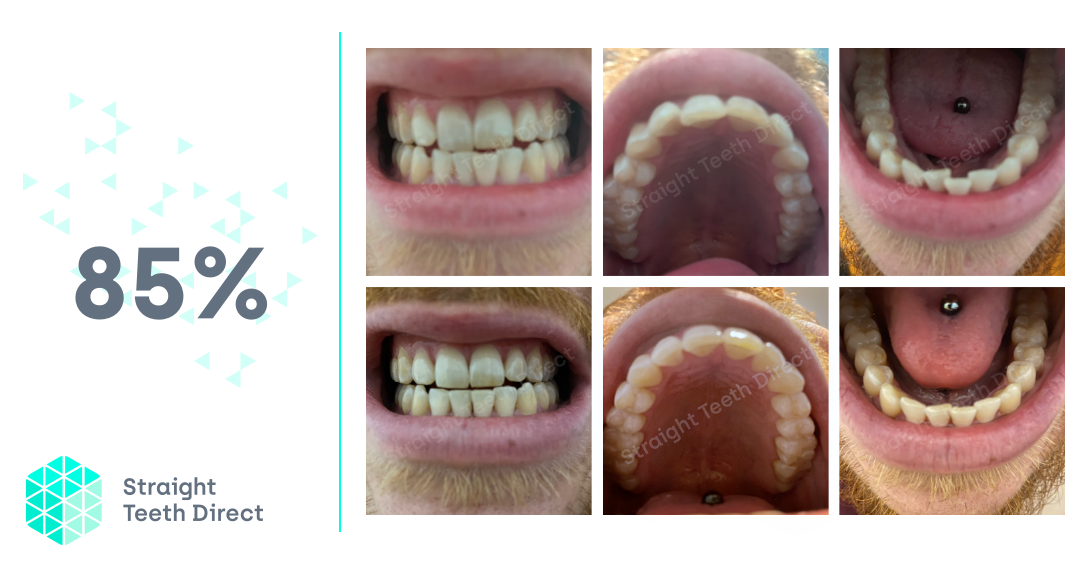
Teeth straightening progress from clear aligners

Navigating the Best Affordable Options

Exploring the specific options within this ultra-affordable price range requires a careful, objective analysis of what each individual company actually offers. AlignerCo is currently recognized industry-wide as one of the most budget-friendly options on the entire market, frequently offering their complete package for less than nine hundred dollars during standard promotional periods. They provide exceptional value by stripping away flashy marketing campaigns, celebrity endorsements, and fancy packaging, focusing purely on delivering the core product. While their estimated treatment duration might occasionally be slightly longer than some premium competitors, the monumental financial savings are absolutely undeniable. NewSmile is another incredibly strong contender in this space, typically hovering right around the one thousand dollar mark but regularly dipping below it when they run aggressive seasonal sales. They distinguish themselves by including a complimentary, high-quality teeth whitening kit with their aligners.

Another fantastic, proven strategy to keep your total expenditure firmly under the one thousand dollar threshold is to meticulously hunt for seasonal discounts and promotional codes. The direct-to-consumer aligner industry is notoriously competitive, meaning these companies are constantly battling for new customers by slashing their retail prices during major shopping holidays like Black Friday, Cyber Monday, and even the New Year's resolution season. During these peak promotional windows, it is incredibly common to see massive, site-wide discounts ranging from two hundred to three hundred dollars off the standard retail price. By exercising simple patience and timing your purchase correctly, you can easily secure a premium at-home straightening kit that normally costs twelve hundred dollars for a final price well under your strict budget constraint. Subscribing to company email newsletters and actively monitoring their social media channels are highly effective ways to catch these fleeting, lucrative deals.

Educational institutions, specifically highly accredited university dental schools, offer another brilliant but often completely overlooked pathway to highly affordable orthodontic care. If you are uncomfortable with the entirely remote nature of direct-to-consumer aligners and heavily prefer in-person, hands-on supervision, seeking treatment at a university clinic is a spectacular compromise. Dental students, who are deeply entrenched in the final, rigorous stages of their clinical training, perform the actual procedures under the strict, watchful eyes of highly experienced, board-certified orthodontists. Because these clinics are primarily focused on education rather than generating massive profit margins for private partners, they typically offer services at significantly reduced rates, often charging only to cover the exact cost of the physical materials used. While a full, highly complex set of traditional braces might still push the limits of a one thousand dollar budget even here, simpler cases can easily fit the bill.

Supervised closely by their demanding expert professors, these dental students are incredibly meticulous and thorough, sometimes even more so than established private practitioners who are rushing through a heavily packed daily schedule. The only real, tangible trade-off when choosing a university dental clinic over a private practice is your personal time. Appointments at these specialized educational facilities inherently take much longer because every single adjustment, precise measurement, and major treatment decision must be carefully checked, independently verified, and officially approved by the supervising clinical instructor. You are essentially trading your free time for massive financial savings. If you possess a highly flexible schedule, perhaps as a college student yourself or a remote worker, and live reasonably close to a major university with a reputable dental program, this route provides the absolute highest standard of clinical safety.

Maximizing Insurance and Payment Flexibility

Navigating the often frustrating complexities of modern dental insurance can instantly transform a seemingly expensive cosmetic procedure into a highly affordable, budget-friendly one. Many progressive dental insurance policies now explicitly include an orthodontic benefit, which is typically structured as a lifetime maximum allowance specifically designated for teeth straightening. This generous allowance often ranges anywhere from one thousand to two thousand dollars per covered individual. If you are fortunate enough to have this specific coverage, it can be applied directly to either traditional in-person clinic treatments or, increasingly, to approved at-home tele-dentistry aligner companies. By strategically combining a naturally budget-friendly aligner brand with your existing insurance benefits, your actual out-of-pocket expenses could easily drop to a few hundred dollars, or in some truly exceptional, best-case scenarios, to absolutely nothing at all.

Furthermore, intelligently utilizing flexible spending accounts (FSA) or health savings accounts (HSA) can provide a massive, secondary layer of financial relief that many patients completely ignore. These government-approved accounts allow you to automatically set aside pre-tax money directly from your paycheck specifically for eligible medical and dental expenses. Almost all legitimate teeth straightening methods, including highly popular direct-to-consumer aligners, are fully eligible for both FSA and HSA spending. By using these pre-tax dollars, you are effectively saving a percentage precisely equal to your highest income tax bracket on the total out-of-pocket cost of the treatment. If you smartly combine a seasonal holiday promotional discount, an already aggressively priced aligner brand, and the incredible pre-tax advantages of a fully funded HSA, achieving a brilliantly straight smile for well under one thousand dollars becomes an absolute mathematical certainty.

Financing options creatively present an entirely alternative definition of affordability, focusing intensely on highly manageable monthly payments rather than requiring a single, intimidating lump sum upfront. Even if the absolute total retail cost of a specific treatment slightly exceeds the strict one thousand dollar mark, many budget-conscious people consider it highly affordable if they only have to pay fifty or sixty dollars a month. Almost all prominent remote aligner companies proactively offer guaranteed financing plans, completely bypassing strict traditional credit checks that might otherwise disqualify younger patients, students, or those with less-than-perfect credit histories. They fundamentally understand that their target demographic highly values monthly cash flow flexibility, so they uniquely structure their payment plans to be as financially accommodating as possible, often only requiring a minimal down payment of less than three hundred dollars to immediately initiate the manufacturing process.

Safety First: Avoiding Orthodontic Disasters

Warning signs must be strictly and consistently observed when aggressively hunting for absolute bottom-dollar bargains in the orthodontic space, particularly concerning the incredibly dangerous, rising trend of DIY orthodontics. Some desperate individuals have foolishly attempted to straighten their own teeth completely at home using basic household items like standard rubber bands, metal paper clips, or cheaply 3D-printed materials bought anonymously from unregulated overseas websites. This is a catastrophic, potentially life-altering mistake that can rapidly lead to severe, irreversible dental trauma. The biological risks include massive root resorption, severe gum infections, and the tragic, permanent loss of healthy adult teeth. Saving a few hundred dollars upfront is absolutely never worth risking your fundamental, long-term oral health and facial structure.

Embarking on this transformative cosmetic journey requires a highly solid, realistic understanding of what to actively expect during the daily, sometimes repetitive reality of the treatment process. Clear aligners are certainly not a magical, effortless overnight fix; they absolutely require absolute personal dedication and incredibly strict adherence to the prescribed clinical protocol. For the treatment to be genuinely effective and actually stay within the projected time frame, you must diligently wear the plastic trays for a strict minimum of twenty-two hours every single day. They should only ever be removed for eating solid food, drinking absolutely anything other than plain, unheated water, and conducting your daily, rigorous oral hygiene routine. The first few days of wearing any new set of tight trays will inevitably involve some mild physical discomfort and pressure, which is entirely normal.

Commitment and Long-Term Maintenance

Consistency is the ultimate, non-negotiable key to ensuring you actually get your money's worth out of these highly affordable systems. Failure to properly wear the aligners for the strict recommended daily hours will drastically and negatively slow down the biological movement of your teeth, completely throwing off the entire timeline carefully calculated by the dental software. If you fall significantly behind schedule, your subsequent trays will simply not fit properly, causing immense, unnecessary physical pain and potentially forcing you to order highly expensive replacement trays, which will quickly and decisively destroy your carefully planned sub-thousand-dollar budget. Excellent, daily oral hygiene is equally, if not more, critical. Brushing and flossing meticulously after every single meal before securely reinserting your trays prevents harmful oral bacteria and trapped dietary sugars from causing rampant, aggressive tooth decay.

Retainers definitively represent the absolute final, and arguably the most structurally important, phase of your entire affordable smile transformation journey. Many misinformed people mistakenly believe that once their teeth are visibly perfectly straight and the final treatment aligner is permanently removed, the process is completely and utterly finished forever. Unfortunately, human teeth possess a highly frustrating biological phenomenon known as elastic memory. The tiny periodontal ligaments naturally and persistently want to pull the newly moved teeth back to their original, crooked positions. To effectively combat this incredibly powerful biological tendency, you must diligently wear a custom-made retainer indefinitely. Most highly affordable aligner companies generously include your very first set of post-treatment retainers in the initial base package, but you must be fully prepared to purchase necessary replacement retainers every six months to a year.

Ultimately, fiercely protecting your incredibly valuable cosmetic investment requires serious long-term commitment, daily vigilance, and a tiny bit of ongoing financial planning. Budgeting strictly for ongoing, necessary retainer replacements is an absolutely essential part of permanently maintaining that flawless, straight smile you worked so diligently hard to afford and achieve. Fortunately, replacement retainers ordered directly from direct-to-consumer companies are significantly, noticeably cheaper than those custom fabricated by traditional, high-end private clinics. By stubbornly sticking to your nightly retainer schedule religiously, consistently maintaining impeccable daily oral hygiene, and cleverly utilizing the highly affordable resources available in the modern digital market, you can confidently and proudly showcase a brilliant, perfectly straight smile for the rest of your natural life without ever experiencing the crushing financial burden historically associated with high-end cosmetic dentistry.

Crucial Takeaways for Budget Orthodontics

  • Assess Your Severity: Budget direct-to-consumer options are exclusively designed for mild to moderate spacing and crowding issues, not severe bite corrections or major jaw realignments.
  • Check Your Insurance: Always proactively verify if your specific dental plan includes orthodontic coverage, which can slash your out-of-pocket costs dramatically.
  • Hunt for Promos: Never blindly pay the initial retail price for at-home aligners; practice patience and wait for major holiday sales events to easily save hundreds of dollars.
  • Commit to the Trays: You absolutely must wear the clear aligners for a strict minimum of 22 hours daily for the treatment timeline to be accurate and effective.
  • Avoid Dangerous DIY: Never, under any circumstances, attempt to move your teeth using rubber bands, paper clips, or non-medical materials; the resulting structural damage will cost thousands to repair.
Treatment Method Average Cost Range Key Advantages Potential Drawbacks
Traditional Wire Braces $3,000 - $8,000 Easily solves severe misalignment; high professional supervision. Extremely expensive; physically painful; highly visible metal brackets.
Budget Clear Aligners (At-Home) $800 - $1,100 Highly affordable; virtually invisible; extremely convenient at home. Strictly for mild to moderate cases; requires immense self-discipline.
University Dental Schools $1,000 - $3,000 Expert, board-certified supervision; much lower cost than private clinics. Extremely long appointment times; limited geographical availability.
Premium Aligners (e.g., Invisalign) $3,500 - $6,000 Highly advanced patented technology; handles very complex dental cases. Far exceeds the $1,000 budget constraint; requires regular clinic visits.

Frequently Asked Questions (FAQs)

1. Is it genuinely safe to use at-home aligners without ever physically visiting a dentist?
Yes, provided you carefully choose a highly reputable company that strictly uses licensed dental professionals to remotely monitor your specific progress and professionally approve your initial 3D scans. However, it is highly, strongly recommended to get a standard dental checkup, x-ray, and deep cleaning from a local professional before starting any aligner treatment to definitively ensure you have no underlying, hidden cavities or active gum disease.
2. Will my standard dental insurance actually cover remote, at-home teeth straightening?
Many modern, comprehensive dental insurance plans absolutely do cover a significant portion of remote teledentistry aligners, exactly just as they would traditional metal braces. You simply need to contact your provider to check if your specific policy explicitly includes an "orthodontic benefit" and carefully verify if your chosen aligner brand is officially considered an in-network or out-of-network approved provider.
3. How long does the highly affordable at-home aligner process usually take to complete?
For the mild to highly moderate cosmetic cases that budget aligners are specifically designed for, the average overall treatment time typically ranges from 4 to 8 months. However, this optimal timeline heavily and entirely depends on your absolute, unwavering strictness in wearing the plastic trays for the rigidly required 22 hours per day.
4. Can I comfortably eat or drink my morning coffee while actively wearing clear aligners?
Absolutely no. You must strictly remove your plastic aligners before consuming absolutely anything other than plain, unflavored, cold or room-temperature water. Eating solid food with them will easily crack or shatter the thin plastic, while drinking hot liquids like tea or coffee will instantly warp and melt the trays, rendering them completely structurally useless and destroying your treatment plan.
5. What exactly happens if my teeth begin to unfortunately shift back after the treatment ends?
Human teeth naturally possess elastic memory and actively want to shift back to their original places. To permanently prevent this, you absolutely must wear custom-fitted retainers every single night while you sleep for the rest of your natural life. If you lazily neglect your nightly retainers, you will rapidly lose all the progress you paid for, and you may ultimately have to restart the treatment entirely from scratch.

You didn't understand a certain point;

Ask the smart assistant and it will answer you based on the content of this article.

<div class="separator" style="clear: both;"><a href="https://blogger.googleusercontent.com/img/b/R29vZ2xl/AVvXsEj1dBxyHZsdId42qd8tK16AbwaWXAVMgAU9-5YkvbeqV50EfQ6AXljt_rwNWGDjrai2zy3XSqan7uBTXd0NVhf11J1cNiQYUwAI3yfBANAEm4wsS1FOeeFBWdCieaiuJnxn7RZkT5LiN5pluumvJOp6hACX0dT47qomrnh_2RqxaaFWZuUgXyfjba9EKg/s1600/Retainers_more_important_than_br%E2%80%A6_202607150056.webp" style="display: block; padding: 1em 0; text-align: center; "><img alt="" border="0" data-original-height="1024" data-original-width="1024" loading="lazy" src="https://blogger.googleusercontent.com/img/b/R29vZ2xl/AVvXsEj1dBxyHZsdId42qd8tK16AbwaWXAVMgAU9-5YkvbeqV50EfQ6AXljt_rwNWGDjrai2zy3XSqan7uBTXd0NVhf11J1cNiQYUwAI3yfBANAEm4wsS1FOeeFBWdCieaiuJnxn7RZkT5LiN5pluumvJOp6hACX0dT47qomrnh_2RqxaaFWZuUgXyfjba9EKg/s1600-rw/Retainers_more_important_than_br%E2%80%A6_202607150056.webp"/></a></div> <style> .ogs-wrapper { max-width: 100%; width: 100%; margin: 0 auto; box-sizing: border-box; overflow-x: hidden; word-wrap: break-word; font-family: 'Segoe UI', Tahoma, Geneva, Verdana, sans-serif; line-height: 1.8; color: #2c3e50; padding: 15px; } .ogs-h2 { color: #2980b9; font-size: 28px; margin-top: 40px; margin-bottom: 20px; border-bottom: 2px solid #3498db; padding-bottom: 10px; font-weight: 700; } .ogs-p { margin-bottom: 20px; font-size: 17px; text-align: justify; } .ogs-fw-1 { font-size: 34px; font-weight: 900; color: #e74c3c; line-height: 1; margin-right: 6px; float: left; padding-top: 5px; } .ogs-fw-2 { font-size: 34px; font-weight: 900; color: #8e44ad; line-height: 1; margin-right: 6px; float: left; padding-top: 5px; } .ogs-fw-3 { font-size: 34px; font-weight: 900; color: #d35400; line-height: 1; margin-right: 6px; float: left; padding-top: 5px; } .ogs-fw-4 { font-size: 34px; font-weight: 900; color: #27ae60; line-height: 1; margin-right: 6px; float: left; padding-top: 5px; } .ogs-fw-5 { font-size: 34px; font-weight: 900; color: #2980b9; line-height: 1; margin-right: 6px; float: left; padding-top: 5px; } .ogs-table-container { overflow-x: auto; margin: 30px 0; border-radius: 8px; box-shadow: 0 4px 6px rgba(0,0,0,0.1); } .ogs-table { width: 100%; border-collapse: collapse; min-width: 700px; background-color: #fff; } .ogs-th, .ogs-td { padding: 15px; text-align: left; border-bottom: 1px solid #ecf0f1; } .ogs-th { background-color: #34495e; color: #fff; font-weight: bold; text-transform: uppercase; letter-spacing: 1px; } .ogs-tr:hover { background-color: #f9f9f9; } .ogs-ul { margin: 20px 0 20px 40px; padding: 0; list-style-type: square; } .ogs-li { margin-bottom: 12px; font-size: 17px; } .ogs-faq-q { color: #c0392b; font-size: 19px; font-weight: bold; margin-top: 25px; margin-bottom: 10px; } .ogs-faq-a { font-size: 17px; margin-bottom: 25px; margin-left: 15px; border-left: 4px solid #e74c3c; padding-left: 15px; } .ogs-link { color: #2980b9; text-decoration: none; font-weight: bold; } .ogs-link:hover { text-decoration: underline; color: #1abc9c; } .ogs-strong { font-weight: bold; color: #2c3e50; } .ogs-img-center { display: block; max-width: 100%; height: auto; margin: 25px auto; border-radius: 8px; box-shadow: 0 4px 10px rgba(0,0,0,0.15); } </style> <div class="ogs-wrapper"> <p class="ogs-p"><span class="ogs-fw-1">Smiling</span> confidently is something everyone deserves, but the high costs often associated with traditional dental procedures have left many individuals feeling deeply insecure about their teeth. For decades, getting a perfectly aligned set of teeth meant enduring painful metal brackets, endless visits to specialized clinics, and most notably, spending a small fortune. Families would often have to save for years or take out significant personal loans just to afford basic orthodontic care. However, the landscape of dental health and cosmetic dentistry has undergone a massive transformation in recent years. We are now living in an era where achieving a flawless smile does not necessarily mean draining your entire life savings. In fact, uncovering methods to get straight teeth for less than a thousand dollars is not a myth, but a highly achievable reality for thousands of people worldwide. This comprehensive guide will walk you through the most effective, budget-friendly options available today.</p> <p class="ogs-p"><span class="ogs-fw-2">Historically,</span> the highly specialized field of <a class="ogs-link" href="https://en.wikipedia.org/wiki/Orthodontics">Orthodontics</a> was completely dominated by traditional wire and bracket systems, which typically cost anywhere from three thousand to eight thousand dollars. This hefty price tag isn't just for the materials; it heavily factors in the specialized labor, the physical chair time at the clinic, the massive overhead costs of running a premium medical facility, and the frequent manual adjustments required over a span of two to three years. Patients were essentially trapped in a medical monopoly where their only reliable choice for correcting malocclusion or spacing issues was to pay top dollar. Many people simply abandoned the idea of fixing their teeth entirely, accepting their dental misalignment as a permanent physical flaw due to the intimidating financial barriers. But as technology rapidly advanced, so did the business models surrounding oral healthcare. The monopoly of traditional practices started to crack, giving way to innovative alternatives.</p> <p class="ogs-p"><span class="ogs-fw-3">Understanding</span> the true mechanics behind tooth movement is absolutely crucial when evaluating these modern, budget-friendly options. Teeth do not magically move because they know they are connected to highly expensive metal; they move because of consistent, calculated pressure applied over an extended period. Whether this pressure comes from a highly expensive titanium wire or a more affordable, medical-grade plastic tray, the biological response of the periodontal ligament remains exactly the same. Bone remodeling occurs as osteoclasts break down bone tissue in the direction of the movement, while osteoblasts form new bone behind the tooth to stabilize it in its new position. By understanding this fundamental biological principle, informed consumers can confidently explore non-traditional avenues without fearing that cheaper means less effective. As long as the directional pressure is applied correctly and safely, the teeth will gradually shift into their desired positions, leading to a perfectly straight smile.</p> <h2 class="ogs-h2">The Rise of Direct-to-Consumer Solutions</h2> <p class="ogs-p"><span class="ogs-fw-4">Fortunately,</span> the modern dental market has introduced groundbreaking solutions designed specifically for budget-conscious consumers who simply cannot afford traditional clinic fees. The most prominent among these innovations are tele-dentistry and direct-to-consumer orthodontic companies. These organizations have strategically stripped away the costly in-person visits, the expensive waiting rooms, and the frequent clinical adjustments, focusing instead on delivering the core mechanism of tooth movement directly to the patient's doorstep. By utilizing advanced 3D scanning and high-resolution printing technologies, they can produce customized treatment plans at a fraction of the traditional cost. This direct-to-consumer model has aggressively democratized access to cosmetic dental improvements, allowing average earners, college students, and budget-savvy families to finally afford the smiles they have always dreamed of. The focus has undeniably shifted from exclusive, high-end clinic treatments to accessible, at-home solutions that prioritize patient convenience without completely sacrificing clinical efficacy.</p> <p class="ogs-p"><span class="ogs-fw-5">Tele-dentistry</span> represents the structural cornerstone of this affordable revolution, enabling patients to receive professional oversight remotely while saving thousands of dollars. The process typically begins with an at-home impression kit or a quick, complimentary visit to a local scanning center where high-resolution 3D images of your teeth are captured. These physical molds or digital scans are then securely transmitted to a centralized laboratory where licensed, board-certified orthodontists and dental professionals review your specific case. Through sophisticated alignment software, they map out the precise trajectory of every single tooth, predicting how they will safely move over the course of several months. This digital blueprint allows the professionals to design a series of incremental trays that you will wear in a specific, rigid sequence. You only pay for the raw materials, the remote professional evaluation, and the manufacturing process, effectively bypassing the massive overhead costs.</p> <p class="ogs-p"><span class="ogs-fw-1">Companies</span> that manufacture <a class="ogs-link" href="https://en.wikipedia.org/wiki/Clear_aligners">Clear aligners</a> have thoroughly dominated the sub-one-thousand-dollar market in recent years. Brands like AlignerCo and NewSmile have aggressively priced their direct-to-consumer kits to capture the massive demographic of people entirely priced out by Invisalign and traditional metal braces. For instance, some of these highly competitive brands offer comprehensive treatment plans for right around eight hundred to nine hundred dollars, if you choose to pay the total sum upfront. These affordable packages almost always include the initial impression kit, the entire series of custom-made progressive trays, and even the first set of post-treatment retainers to ensure your teeth do not shift back to their original misaligned positions. This flat-rate, transparent pricing model provides incredible peace of mind, allowing consumers to budget accurately without ever worrying about hidden clinic fees, emergency adjustment charges, or unexpected financial hurdles.</p> <img alt="Teeth straightening progress from clear aligners" class="ogs-img-center" loading="lazy" src="https://www.straightteethdirect.com/wp-content/uploads/2019/08/Ben-progress.png" /> <h2 class="ogs-h2">Navigating the Best Affordable Options</h2> <p class="ogs-p"><span class="ogs-fw-2">Exploring</span> the specific options within this ultra-affordable price range requires a careful, objective analysis of what each individual company actually offers. AlignerCo is currently recognized industry-wide as one of the most budget-friendly options on the entire market, frequently offering their complete package for less than nine hundred dollars during standard promotional periods. They provide exceptional value by stripping away flashy marketing campaigns, celebrity endorsements, and fancy packaging, focusing purely on delivering the core product. While their estimated treatment duration might occasionally be slightly longer than some premium competitors, the monumental financial savings are absolutely undeniable. NewSmile is another incredibly strong contender in this space, typically hovering right around the one thousand dollar mark but regularly dipping below it when they run aggressive seasonal sales. They distinguish themselves by including a complimentary, high-quality teeth whitening kit with their aligners.</p> <p class="ogs-p"><span class="ogs-fw-3">Another</span> fantastic, proven strategy to keep your total expenditure firmly under the one thousand dollar threshold is to meticulously hunt for seasonal discounts and promotional codes. The direct-to-consumer aligner industry is notoriously competitive, meaning these companies are constantly battling for new customers by slashing their retail prices during major shopping holidays like Black Friday, Cyber Monday, and even the New Year's resolution season. During these peak promotional windows, it is incredibly common to see massive, site-wide discounts ranging from two hundred to three hundred dollars off the standard retail price. By exercising simple patience and timing your purchase correctly, you can easily secure a premium at-home straightening kit that normally costs twelve hundred dollars for a final price well under your strict budget constraint. Subscribing to company email newsletters and actively monitoring their social media channels are highly effective ways to catch these fleeting, lucrative deals.</p> <p class="ogs-p"><span class="ogs-fw-4">Educational</span> institutions, specifically highly accredited university dental schools, offer another brilliant but often completely overlooked pathway to highly affordable orthodontic care. If you are uncomfortable with the entirely remote nature of direct-to-consumer aligners and heavily prefer in-person, hands-on supervision, seeking treatment at a university clinic is a spectacular compromise. Dental students, who are deeply entrenched in the final, rigorous stages of their clinical training, perform the actual procedures under the strict, watchful eyes of highly experienced, board-certified orthodontists. Because these clinics are primarily focused on education rather than generating massive profit margins for private partners, they typically offer services at significantly reduced rates, often charging only to cover the exact cost of the physical materials used. While a full, highly complex set of traditional braces might still push the limits of a one thousand dollar budget even here, simpler cases can easily fit the bill.</p> <p class="ogs-p"><span class="ogs-fw-5">Supervised</span> closely by their demanding expert professors, these dental students are incredibly meticulous and thorough, sometimes even more so than established private practitioners who are rushing through a heavily packed daily schedule. The only real, tangible trade-off when choosing a university dental clinic over a private practice is your personal time. Appointments at these specialized educational facilities inherently take much longer because every single adjustment, precise measurement, and major treatment decision must be carefully checked, independently verified, and officially approved by the supervising clinical instructor. You are essentially trading your free time for massive financial savings. If you possess a highly flexible schedule, perhaps as a college student yourself or a remote worker, and live reasonably close to a major university with a reputable dental program, this route provides the absolute highest standard of clinical safety.</p> <h2 class="ogs-h2">Maximizing Insurance and Payment Flexibility</h2> <p class="ogs-p"><span class="ogs-fw-1">Navigating</span> the often frustrating complexities of modern dental insurance can instantly transform a seemingly expensive cosmetic procedure into a highly affordable, budget-friendly one. Many progressive dental insurance policies now explicitly include an orthodontic benefit, which is typically structured as a lifetime maximum allowance specifically designated for teeth straightening. This generous allowance often ranges anywhere from one thousand to two thousand dollars per covered individual. If you are fortunate enough to have this specific coverage, it can be applied directly to either traditional in-person clinic treatments or, increasingly, to approved at-home tele-dentistry aligner companies. By strategically combining a naturally budget-friendly aligner brand with your existing insurance benefits, your actual out-of-pocket expenses could easily drop to a few hundred dollars, or in some truly exceptional, best-case scenarios, to absolutely nothing at all.</p> <p class="ogs-p"><span class="ogs-fw-2">Furthermore,</span> intelligently utilizing flexible spending accounts (FSA) or health savings accounts (HSA) can provide a massive, secondary layer of financial relief that many patients completely ignore. These government-approved accounts allow you to automatically set aside pre-tax money directly from your paycheck specifically for eligible medical and dental expenses. Almost all legitimate teeth straightening methods, including highly popular direct-to-consumer aligners, are fully eligible for both FSA and HSA spending. By using these pre-tax dollars, you are effectively saving a percentage precisely equal to your highest income tax bracket on the total out-of-pocket cost of the treatment. If you smartly combine a seasonal holiday promotional discount, an already aggressively priced aligner brand, and the incredible pre-tax advantages of a fully funded HSA, achieving a brilliantly straight smile for well under one thousand dollars becomes an absolute mathematical certainty.</p> <p class="ogs-p"><span class="ogs-fw-3">Financing</span> options creatively present an entirely alternative definition of affordability, focusing intensely on highly manageable monthly payments rather than requiring a single, intimidating lump sum upfront. Even if the absolute total retail cost of a specific treatment slightly exceeds the strict one thousand dollar mark, many budget-conscious people consider it highly affordable if they only have to pay fifty or sixty dollars a month. Almost all prominent remote aligner companies proactively offer guaranteed financing plans, completely bypassing strict traditional credit checks that might otherwise disqualify younger patients, students, or those with less-than-perfect credit histories. They fundamentally understand that their target demographic highly values monthly cash flow flexibility, so they uniquely structure their payment plans to be as financially accommodating as possible, often only requiring a minimal down payment of less than three hundred dollars to immediately initiate the manufacturing process.</p> <h2 class="ogs-h2">Safety First: Avoiding Orthodontic Disasters</h2> <p class="ogs-p"><span class="ogs-fw-4">Warning</span> signs must be strictly and consistently observed when aggressively hunting for absolute bottom-dollar bargains in the orthodontic space, particularly concerning the incredibly dangerous, rising trend of DIY orthodontics. Some desperate individuals have foolishly attempted to straighten their own teeth completely at home using basic household items like standard rubber bands, metal paper clips, or cheaply 3D-printed materials bought anonymously from unregulated overseas websites. This is a catastrophic, potentially life-altering mistake that can rapidly lead to severe, irreversible dental trauma. The biological risks include massive root resorption, severe gum infections, and the tragic, permanent loss of healthy adult teeth. Saving a few hundred dollars upfront is absolutely never worth risking your fundamental, long-term oral health and facial structure.</p> <p class="ogs-p"><span class="ogs-fw-5">Embarking</span> on this transformative cosmetic journey requires a highly solid, realistic understanding of what to actively expect during the daily, sometimes repetitive reality of the treatment process. Clear aligners are certainly not a magical, effortless overnight fix; they absolutely require absolute personal dedication and incredibly strict adherence to the prescribed clinical protocol. For the treatment to be genuinely effective and actually stay within the projected time frame, you must diligently wear the plastic trays for a strict minimum of twenty-two hours every single day. They should only ever be removed for eating solid food, drinking absolutely anything other than plain, unheated water, and conducting your daily, rigorous oral hygiene routine. The first few days of wearing any new set of tight trays will inevitably involve some mild physical discomfort and pressure, which is entirely normal.</p> <h2 class="ogs-h2">Commitment and Long-Term Maintenance</h2> <p class="ogs-p"><span class="ogs-fw-1">Consistency</span> is the ultimate, non-negotiable key to ensuring you actually get your money's worth out of these highly affordable systems. Failure to properly wear the aligners for the strict recommended daily hours will drastically and negatively slow down the biological movement of your teeth, completely throwing off the entire timeline carefully calculated by the dental software. If you fall significantly behind schedule, your subsequent trays will simply not fit properly, causing immense, unnecessary physical pain and potentially forcing you to order highly expensive replacement trays, which will quickly and decisively destroy your carefully planned sub-thousand-dollar budget. Excellent, daily oral hygiene is equally, if not more, critical. Brushing and flossing meticulously after every single meal before securely reinserting your trays prevents harmful oral bacteria and trapped dietary sugars from causing rampant, aggressive tooth decay.</p> <p class="ogs-p"><span class="ogs-fw-2">Retainers</span> definitively represent the absolute final, and arguably the most structurally important, phase of your entire affordable smile transformation journey. Many misinformed people mistakenly believe that once their teeth are visibly perfectly straight and the final treatment aligner is permanently removed, the process is completely and utterly finished forever. Unfortunately, human teeth possess a highly frustrating biological phenomenon known as elastic memory. The tiny periodontal ligaments naturally and persistently want to pull the newly moved teeth back to their original, crooked positions. To effectively combat this incredibly powerful biological tendency, you must diligently wear a custom-made retainer indefinitely. Most highly affordable aligner companies generously include your very first set of post-treatment retainers in the initial base package, but you must be fully prepared to purchase necessary replacement retainers every six months to a year.</p> <p class="ogs-p"><span class="ogs-fw-3">Ultimately,</span> fiercely protecting your incredibly valuable cosmetic investment requires serious long-term commitment, daily vigilance, and a tiny bit of ongoing financial planning. Budgeting strictly for ongoing, necessary retainer replacements is an absolutely essential part of permanently maintaining that flawless, straight smile you worked so diligently hard to afford and achieve. Fortunately, replacement retainers ordered directly from direct-to-consumer companies are significantly, noticeably cheaper than those custom fabricated by traditional, high-end private clinics. By stubbornly sticking to your nightly retainer schedule religiously, consistently maintaining impeccable daily oral hygiene, and cleverly utilizing the highly affordable resources available in the modern digital market, you can confidently and proudly showcase a brilliant, perfectly straight smile for the rest of your natural life without ever experiencing the crushing financial burden historically associated with high-end cosmetic dentistry.</p> <h2 class="ogs-h2">Crucial Takeaways for Budget Orthodontics</h2> <ul class="ogs-ul"> <li class="ogs-li"><span class="ogs-strong">Assess Your Severity:</span> Budget direct-to-consumer options are exclusively designed for mild to moderate spacing and crowding issues, not severe bite corrections or major jaw realignments.</li> <li class="ogs-li"><span class="ogs-strong">Check Your Insurance:</span> Always proactively verify if your specific dental plan includes orthodontic coverage, which can slash your out-of-pocket costs dramatically.</li> <li class="ogs-li"><span class="ogs-strong">Hunt for Promos:</span> Never blindly pay the initial retail price for at-home aligners; practice patience and wait for major holiday sales events to easily save hundreds of dollars.</li> <li class="ogs-li"><span class="ogs-strong">Commit to the Trays:</span> You absolutely must wear the clear aligners for a strict minimum of 22 hours daily for the treatment timeline to be accurate and effective.</li> <li class="ogs-li"><span class="ogs-strong">Avoid Dangerous DIY:</span> Never, under any circumstances, attempt to move your teeth using rubber bands, paper clips, or non-medical materials; the resulting structural damage will cost thousands to repair.</li> </ul> <div class="ogs-table-container"> <table class="ogs-table"> <thead> <tr class="ogs-tr"> <th class="ogs-th">Treatment Method</th> <th class="ogs-th">Average Cost Range</th> <th class="ogs-th">Key Advantages</th> <th class="ogs-th">Potential Drawbacks</th> </tr> </thead> <tbody> <tr class="ogs-tr"> <td class="ogs-td"><span class="ogs-strong">Traditional Wire Braces</span></td> <td class="ogs-td">$3,000 - $8,000</td> <td class="ogs-td">Easily solves severe misalignment; high professional supervision.</td> <td class="ogs-td">Extremely expensive; physically painful; highly visible metal brackets.</td> </tr> <tr class="ogs-tr"> <td class="ogs-td"><span class="ogs-strong">Budget Clear Aligners (At-Home)</span></td> <td class="ogs-td">$800 - $1,100</td> <td class="ogs-td">Highly affordable; virtually invisible; extremely convenient at home.</td> <td class="ogs-td">Strictly for mild to moderate cases; requires immense self-discipline.</td> </tr> <tr class="ogs-tr"> <td class="ogs-td"><span class="ogs-strong">University Dental Schools</span></td> <td class="ogs-td">$1,000 - $3,000</td> <td class="ogs-td">Expert, board-certified supervision; much lower cost than private clinics.</td> <td class="ogs-td">Extremely long appointment times; limited geographical availability.</td> </tr> <tr class="ogs-tr"> <td class="ogs-td"><span class="ogs-strong">Premium Aligners (e.g., Invisalign)</span></td> <td class="ogs-td">$3,500 - $6,000</td> <td class="ogs-td">Highly advanced patented technology; handles very complex dental cases.</td> <td class="ogs-td">Far exceeds the $1,000 budget constraint; requires regular clinic visits.</td> </tr> </tbody> </table> </div> <h2 class="ogs-h2">Frequently Asked Questions (FAQs)</h2> <div class="ogs-faq-q">1. Is it genuinely safe to use at-home aligners without ever physically visiting a dentist?</div> <div class="ogs-faq-a">Yes, provided you carefully choose a highly reputable company that strictly uses licensed dental professionals to remotely monitor your specific progress and professionally approve your initial 3D scans. However, it is highly, strongly recommended to get a standard dental checkup, x-ray, and deep cleaning from a local professional before starting any aligner treatment to definitively ensure you have no underlying, hidden cavities or active gum disease.</div> <div class="ogs-faq-q">2. Will my standard dental insurance actually cover remote, at-home teeth straightening?</div> <div class="ogs-faq-a">Many modern, comprehensive dental insurance plans absolutely do cover a significant portion of remote teledentistry aligners, exactly just as they would traditional metal braces. You simply need to contact your provider to check if your specific policy explicitly includes an "orthodontic benefit" and carefully verify if your chosen aligner brand is officially considered an in-network or out-of-network approved provider.</div> <div class="ogs-faq-q">3. How long does the highly affordable at-home aligner process usually take to complete?</div> <div class="ogs-faq-a">For the mild to highly moderate cosmetic cases that budget aligners are specifically designed for, the average overall treatment time typically ranges from 4 to 8 months. However, this optimal timeline heavily and entirely depends on your absolute, unwavering strictness in wearing the plastic trays for the rigidly required 22 hours per day.</div> <div class="ogs-faq-q">4. Can I comfortably eat or drink my morning coffee while actively wearing clear aligners?</div> <div class="ogs-faq-a">Absolutely no. You must strictly remove your plastic aligners before consuming absolutely anything other than plain, unflavored, cold or room-temperature water. Eating solid food with them will easily crack or shatter the thin plastic, while drinking hot liquids like tea or coffee will instantly warp and melt the trays, rendering them completely structurally useless and destroying your treatment plan.</div> <div class="ogs-faq-q">5. What exactly happens if my teeth begin to unfortunately shift back after the treatment ends?</div> <div class="ogs-faq-a">Human teeth naturally possess elastic memory and actively want to shift back to their original places. To permanently prevent this, you absolutely must wear custom-fitted retainers every single night while you sleep for the rest of your natural life. If you lazily neglect your nightly retainers, you will rapidly lose all the progress you paid for, and you may ultimately have to restart the treatment entirely from scratch.</div> </div>
Author

author : Khaled

Related topics you might like

Categories:

Orthodontics

Show latest articles (on/off)

📝 قسم "أحدث المقالات" مفعل.
لإخفائه، قم بإلغاء تفعيل "إظهار الأداة".

On/Off Side Menu

✅ لاظهار القائمة الجانبية قم بتفعيل هذه الأداة.
لإخفائها، قم بإلغاء تفعيل "إظهار الأداة" من الأعلى.

Disclaimer: The content provided on this website is intended for general informational and educational purposes only. It does not constitute professional medical, dental, or cosmetic advice, diagnosis, or treatment. We make no representations or warranties of any kind, express or implied, regarding the accuracy, adequacy, validity, reliability, or completeness of any information on the site.

Any reliance you place on such information is strictly at your own risk. This website and its owners bear no responsibility or liability for any actions taken, injuries, or losses incurred based on the content provided. Always seek the direct advice of your physician, dentist, or other qualified healthcare provider with any questions you may have regarding a medical condition or procedure.

Labels

  • Cosmetic Surgery30
  • Dental Implants44
  • Orthodontics39

Popular posts

  • Non-Surgical Procedures That Look Better Than Actual Surgery

    Non-Surgical Procedures That Look Better Than Actual Surgery

    For decades, the concept of rejuvenation and beauty has been tightly linked with going u...

  • How Dental Implants Prevent Bone Loss and Aging Faces

    How Dental Implants Prevent Bone Loss and Aging Faces

    How Dental Implants Prevent Bone Loss and Aging Faces Key Takeaway: Dental implants are the only tooth replacement solution...

  • How to Choose a Safe Cosmetic Surgeon Overseas: A Comprehensive Guide

    How to Choose a Safe Cosmetic Surgeon Overseas: A Comprehensive Guide

    How to Choose a Safe Cosmetic Surgeon Overseas: A Comprehensive Guide Undergoing cosmetic enhancements abroad has become...

  • How to Get Straight Teeth for Less Than 1000 Dollars

    How to Get Straight Teeth for Less Than 1000 Dollars

    Smiling confidently is something everyone deserves, but the high costs often associated with traditional dental procedures have le...

  • Why Retainers Are More Important Than the Braces Themselves

    Why Retainers Are More Important Than the Braces Themselves

    Why Retainers Are More Important Than the Braces Themselves Orthodontic treatment is widely viewed as a transformative journey th...

Featured post

How to Fix Teeth Without Anyone Knowing You're Trying: The Ultimate Guide to Invisible Orthodontics
July 26, 2026

How to Fix Teeth Without Anyone Knowing You're Trying: The Ultimate Guide to Invisible Orthodontics

How to Fix Teeth Without Anyone Knowing You're Trying: The Ultimate Guide to Invisible Orthodontics A...

All rights reserved © RenyStyles Aesthetics
New alerts
Loading...

المساعد الذكي للمدونة

أهلاً بك! أنا مساعدك الشخصي في مدونة RenyStyles Aesthetics. كيف يمكنني مساعدتك اليوم؟ يمكنك سؤالي عن أي مقال أو موضوع في المدونة.

مدعوم بواسطة MOPlus

شرح وتوضيح الفقرة

Share to other applications

Telegram
Whatsapp
Twitter
Facebook
Tumblr
Reddit
LinkedIn
Pinterest
Email
Copy the article link
2669001255866031274